AGP Executive Report
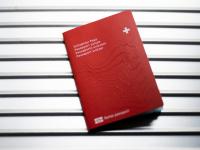
Last update: 11 hours agoStroke Research: University of Zurich scientists report that transplanted human stem cells survived in stroke-damaged mouse brains, became neurons, formed connections, and improved motor performance—promising preclinical results, not a ready treatment. Rare Disease Diagnostics: A new classification framework for 108 inherited lysosomal disorders aims to improve genetic test interpretation and speed diagnosis, potentially helping patients access shared therapies and trials. Hospital Safety (UK): England is extending “Martha’s Rule” to A&E departments, giving 24/7 access to an urgent second-opinion review after a sepsis case where earlier ICU transfer may have saved a 13-year-old. Swiss Health Burden: Swiss nationwide data links congenital adrenal hyperplasia to a heavy lifelong hospital load, with admissions peaking in infancy and worse in-hospital outcomes. Cardiology Device: Cordis’ sirolimus drug-coated balloon (Selution SLR DEB) gets FDA approval for coronary in-stent restenosis. Public Health (DRC): Swiss researchers say many mpox cases in the Democratic Republic of the Congo may be false positives from contaminated samples. Swiss Policy/Access: Swiss passport access remains strong in Europe, with 44 destinations visa-free. Health & Wellness Business: On projects nearly doubling sales to 5.6bn Swiss francs by 2029, driven by running and apparel, while analysts question momentum.
Note: AI summary from news headlines; neutral sources weighted more to help reduce bias in the result. Feedback is welcome. Please let us know if you have any comments or suggestions about the AGP Executive Report.
 Perspectify News